
CONCERT MUSIC
UPCOMING PROJECTS
NEW WORK | for Solo Tuba and Electronics (c. 15’)
Premiere scheduled for May 2027
Venue tbc, commissioned by Joseph McLennan-Parish
PERFORMER & COMPOSER | Bowed Guitar/Percussion
7:30 pm, 20th of November
The Pool, Tower Theatre, Stoke Newington
Improvised set with Lydia Cochrane (Shruti Box/Woodwind/Violin)
Tickets
Paper Aeroplane | for Saxophone Quartet (c. 10’)
Premiere scheduled for February 2027
Commissioned by Versa Winds
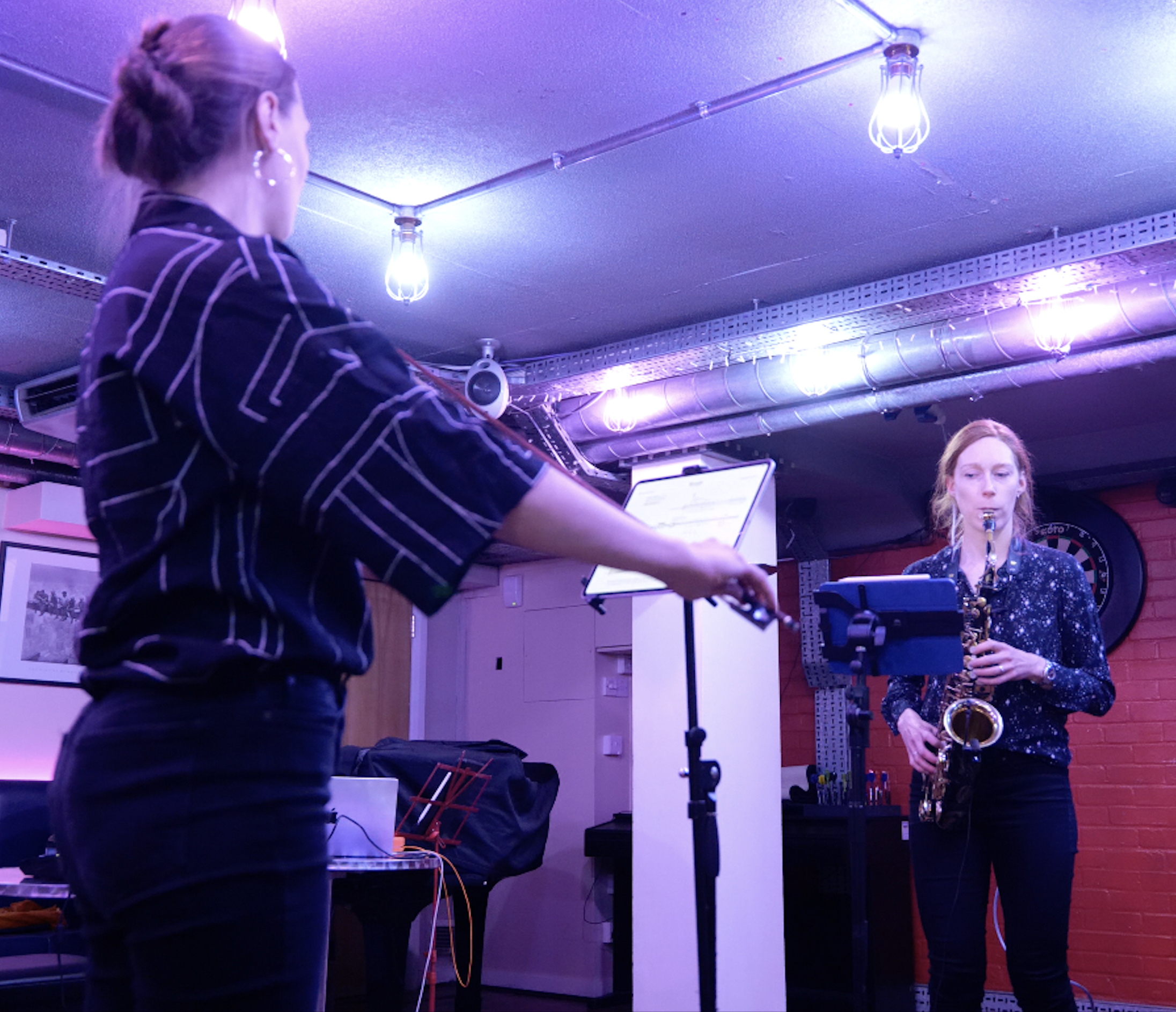
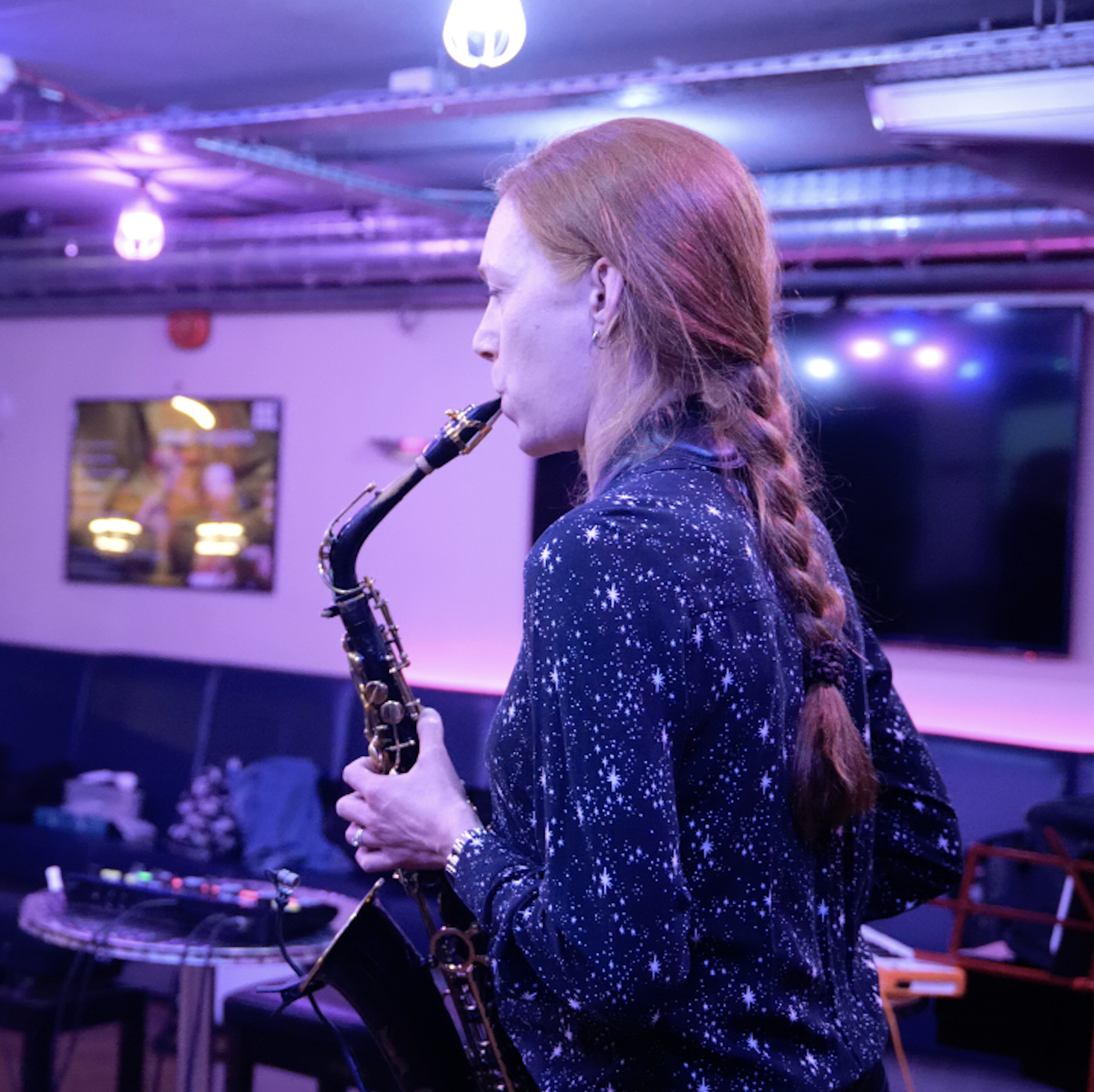
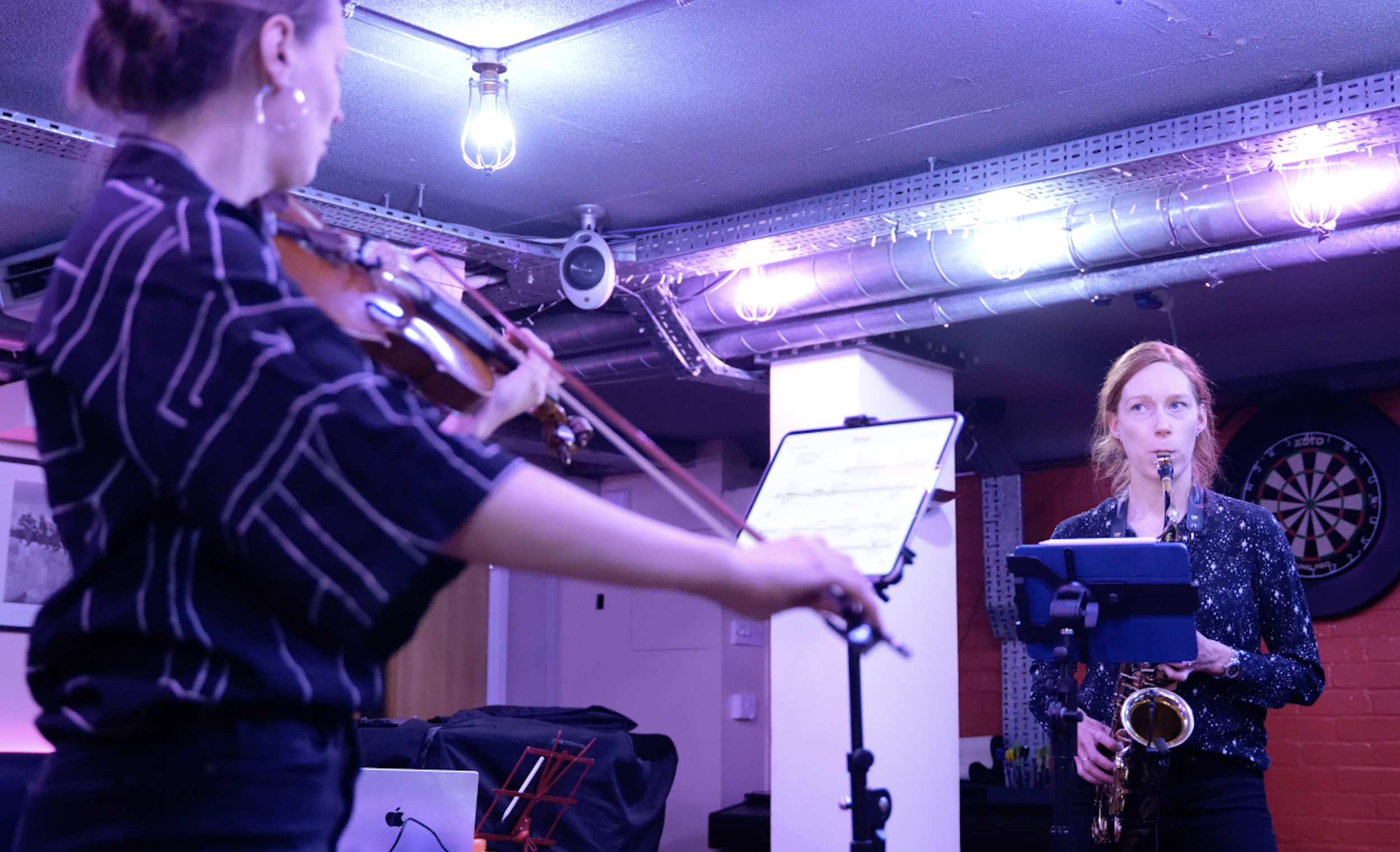
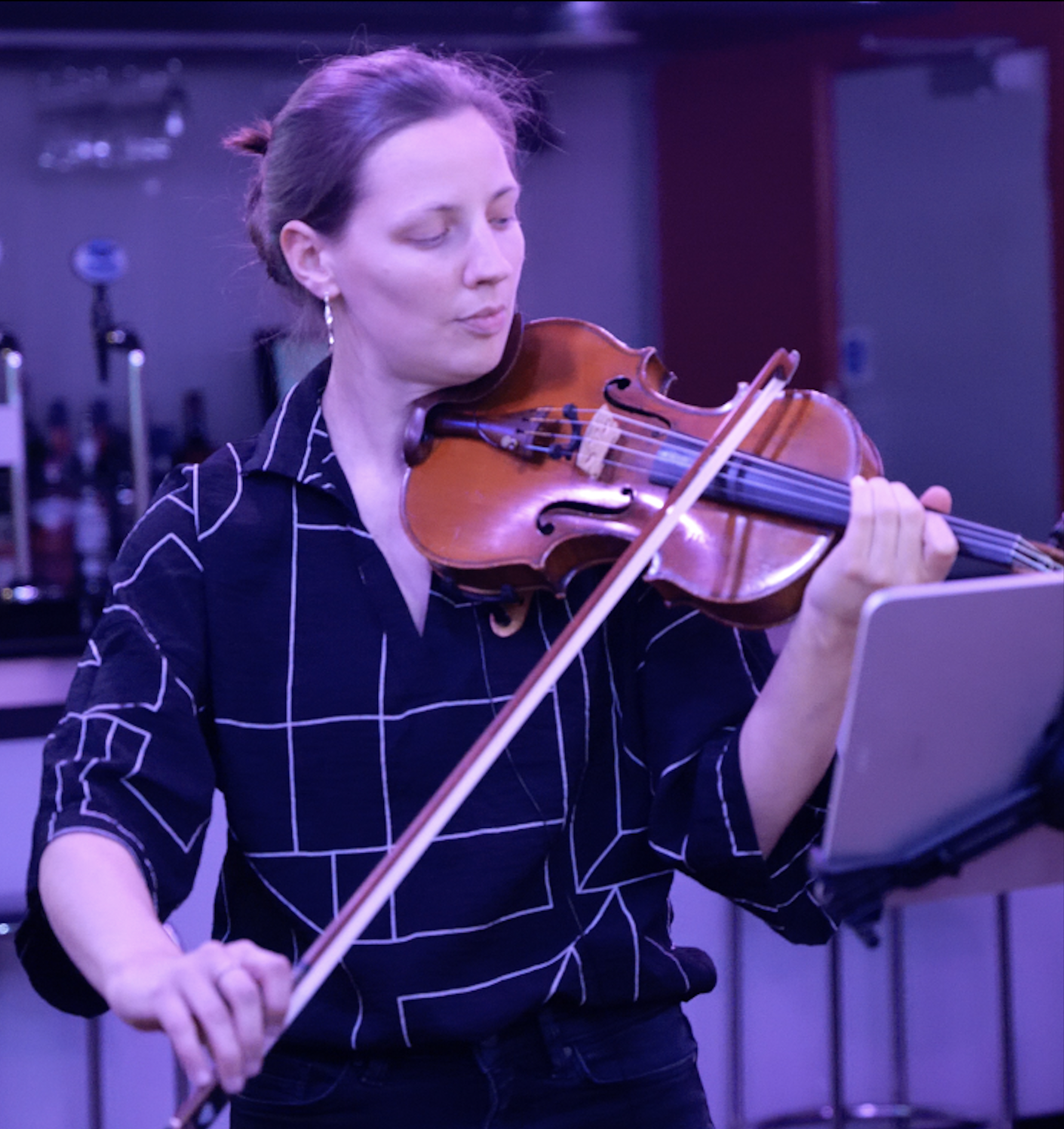
THREADS (2026) | for Alto Saxophone and Violin (c. 7’)
Premiered at the Club Inégales, London (30/04, 2026)
SELECTED WORKS
In collaboration with The Riot Ensemble and Pangea
Riot Ensemble
Amy Green (alto sax.) & Marie Schreer (vln.)
Concert Organiser
Gilad Barabi (from Pangea)
Video/Sound
Pia Böhl
Subsequent performance by Lydia Cochrane (Alto Sax.) & Edie Bailey (Vln.),
RCM Performance Studio (23/06, 2026)
Programe Notes
The title takes inspiration from the film Threads (1984), depicting the aftermath of nuclear war, where the idea of a social fabric is made literal and then broken. The removal of one element reveals the fragility of the whole. A similar unravelling is traced in the music, where connections loosen and continuity gives way, echoing the fragility of artisanal practices and the gradual disappearance of hand-made processes.
The piece is also inspired by Turkish carpet-making traditions, where each knot is tied by hand, the music unfolds as a stylised pattern shaped by time, gesture, and touch. No pattern is ever perfectly repeated, and small deviations reveal the presence of the maker.
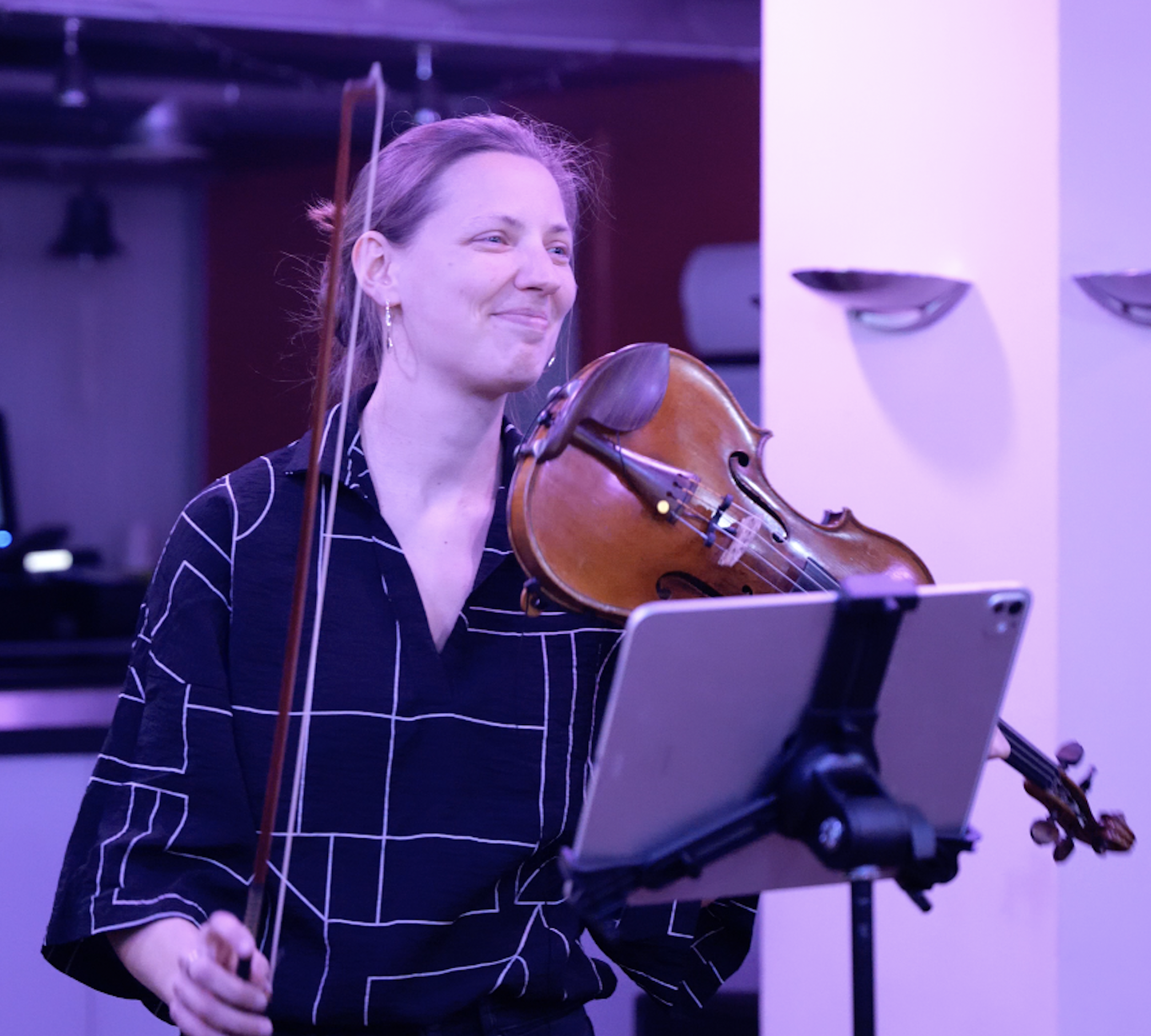
Ligeti Quartet
Freya Goldmark (Vln. I), Patrick Dawkins (Vln. II), Richard Jones (Vla.) &
Val Welbanks (Vcl.)
Concert Organiser & Supervisor
Ed Bennet
String Quartet No. 1: Counterpoint on Different Planes (2026) | written for The Ligeti Quartet (c. 9’)
Premiered at the RCM Performance Studio by the Ligeti Quartet (18/03, 2026)
Programe Notes
The piece explores the tension between timbre and structure as the music moves through different planes or states defined by register, density, and noise content, from which form emerges through their transformation. It unfolds across multiple time scales: short, gestural figures in freer time inhabit a rapid micro-time, while slowly evolving spectral fields unfold in parallel as a macro- time. Over the course of the work, these layers increasingly overlap and interfere, forming a counterpoint between two planes; one governed by the harmonic series, and one shaped by instrumental variation and human imprecision, where instability and beating become a characteristic feature of the sound.
The work draws on ideas from Wassily Kandinsky’s ‘Point and Line to Plane’, particularly his notion of ‘inner sound’ and the correspondence between colour, vibration, and timbre. These associations are not treated prescriptively; instead, colour & sound relationships remain fluid and mutable, shifting and destabilising over time.
A visual reference to Kandinsky’s Composition VII (1913) appears in the Appendix of the score. The painting was present throughout the composition process and became for me, in a quiet but persistent way, part of the work’s visual and conceptual imagination.
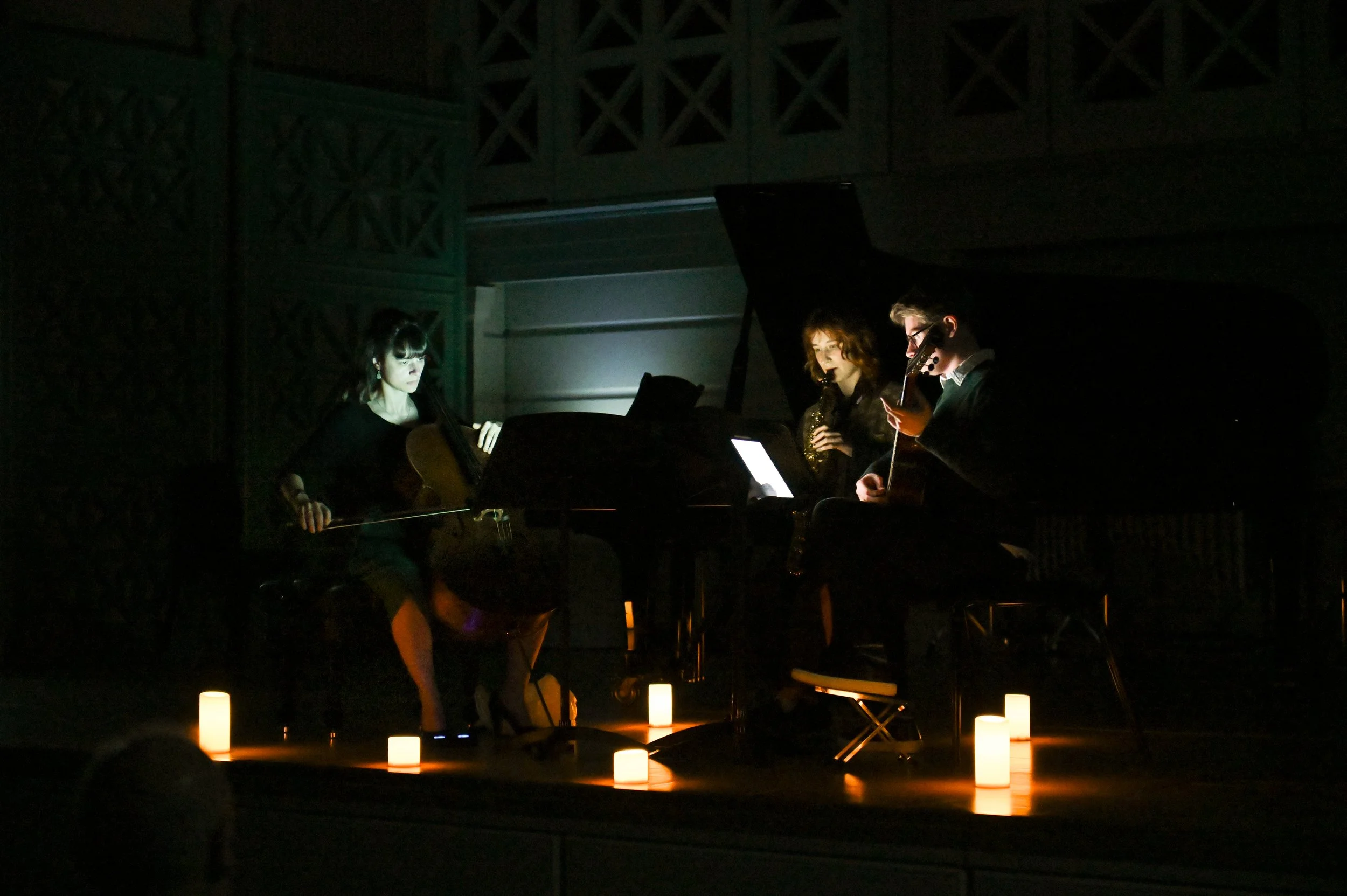
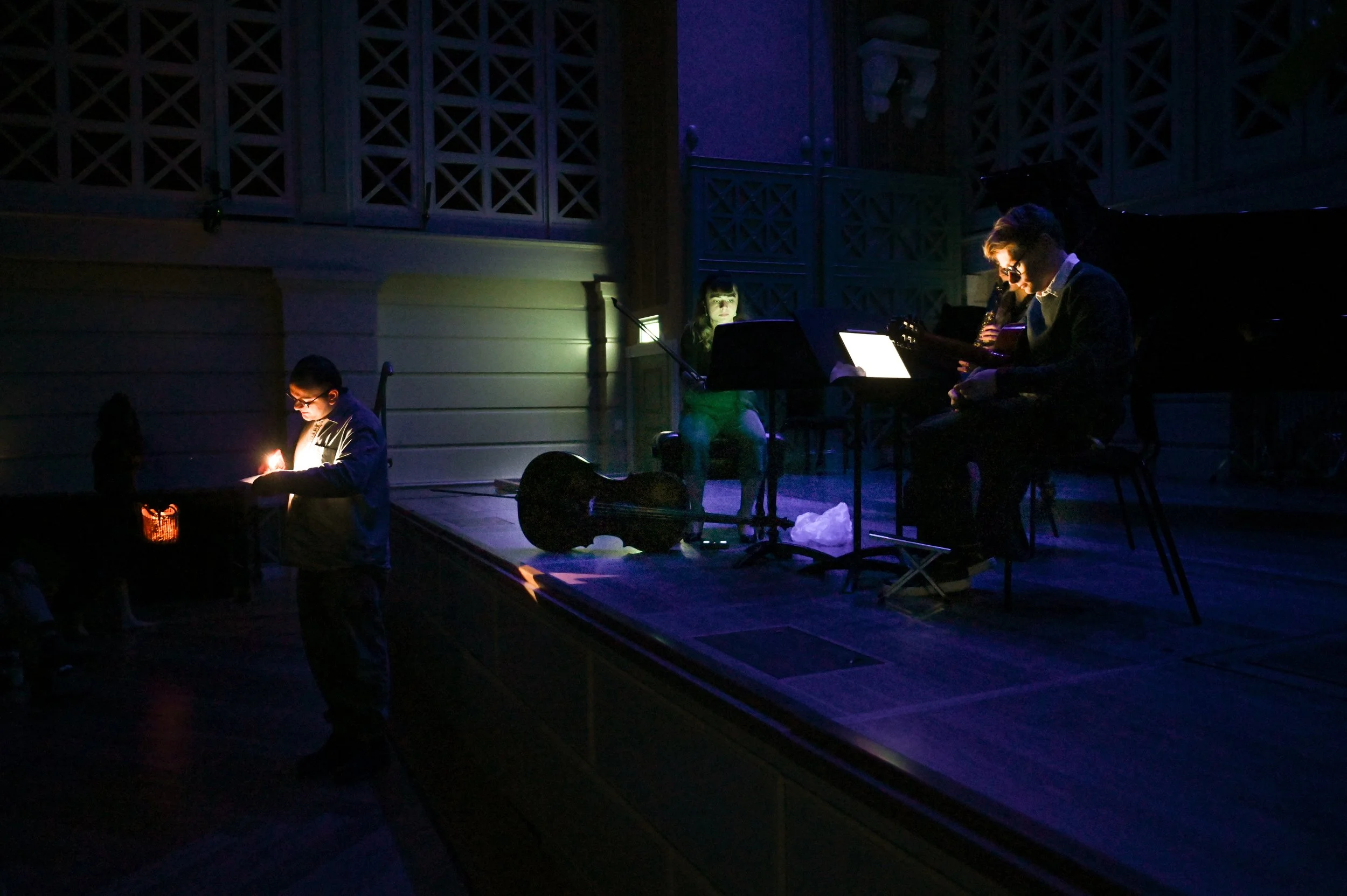
NOCTURNA EP (2025) | for Soprano Saxophone, Guitar, Cello & Electronics (c. 15’)
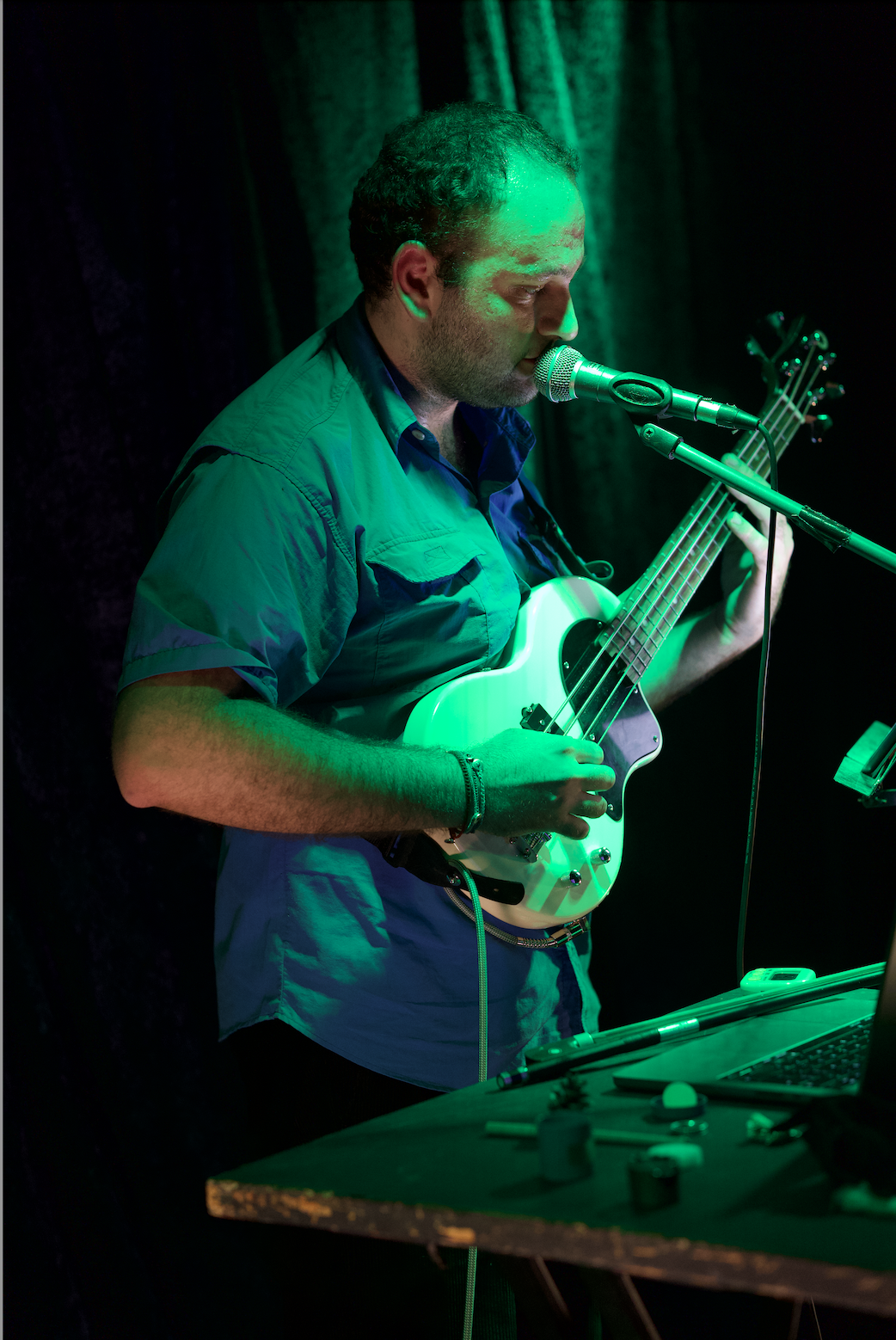
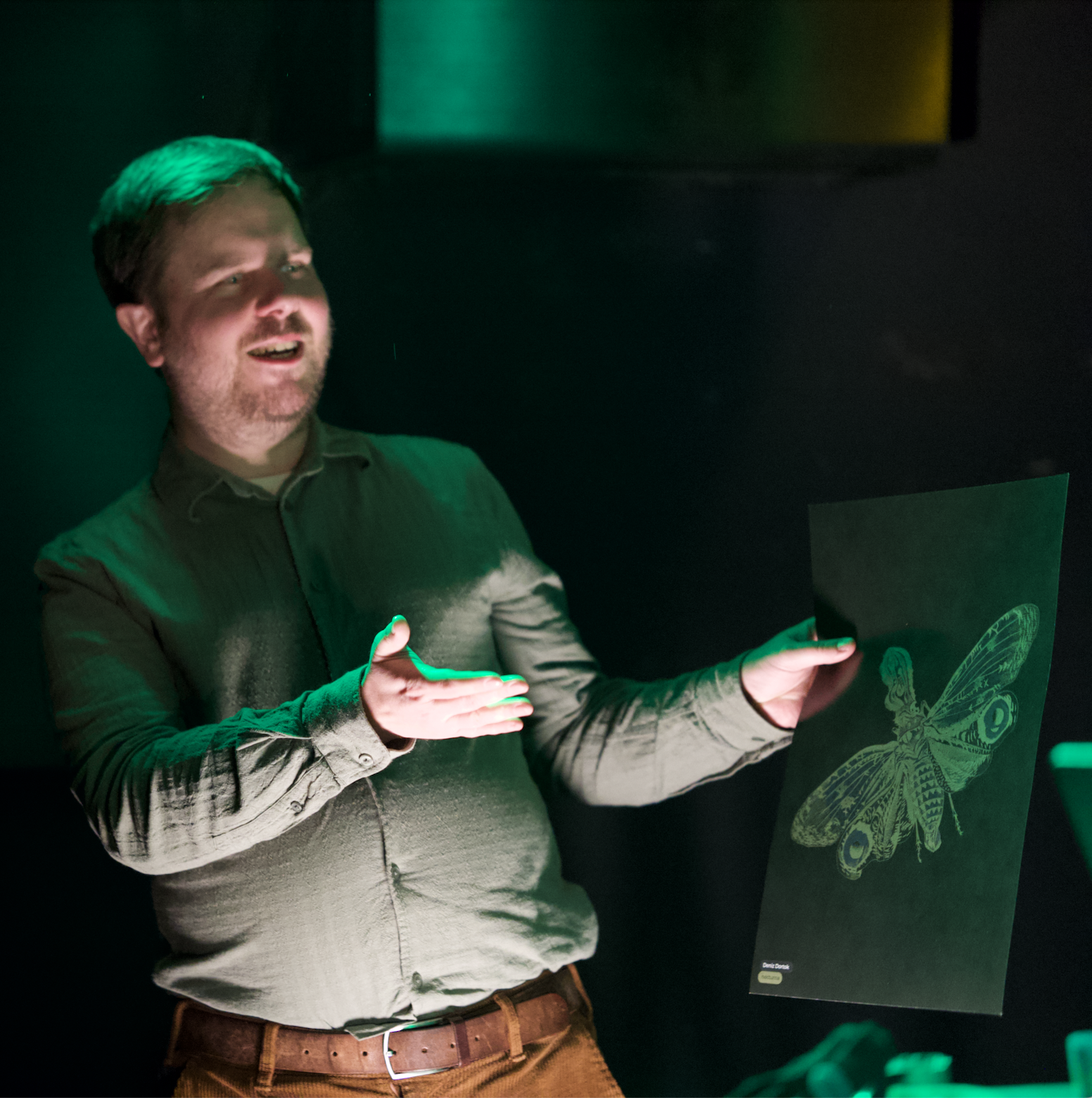
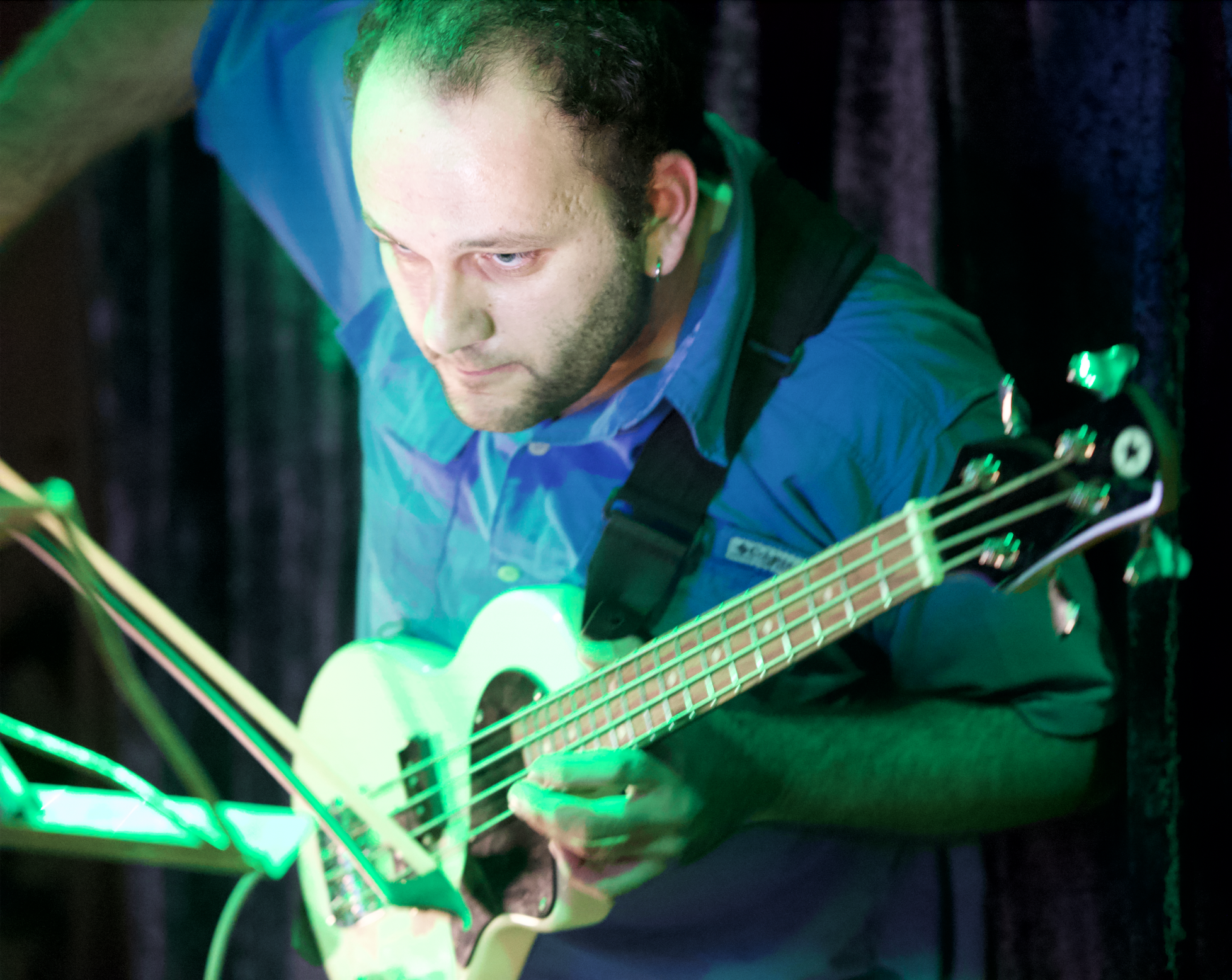
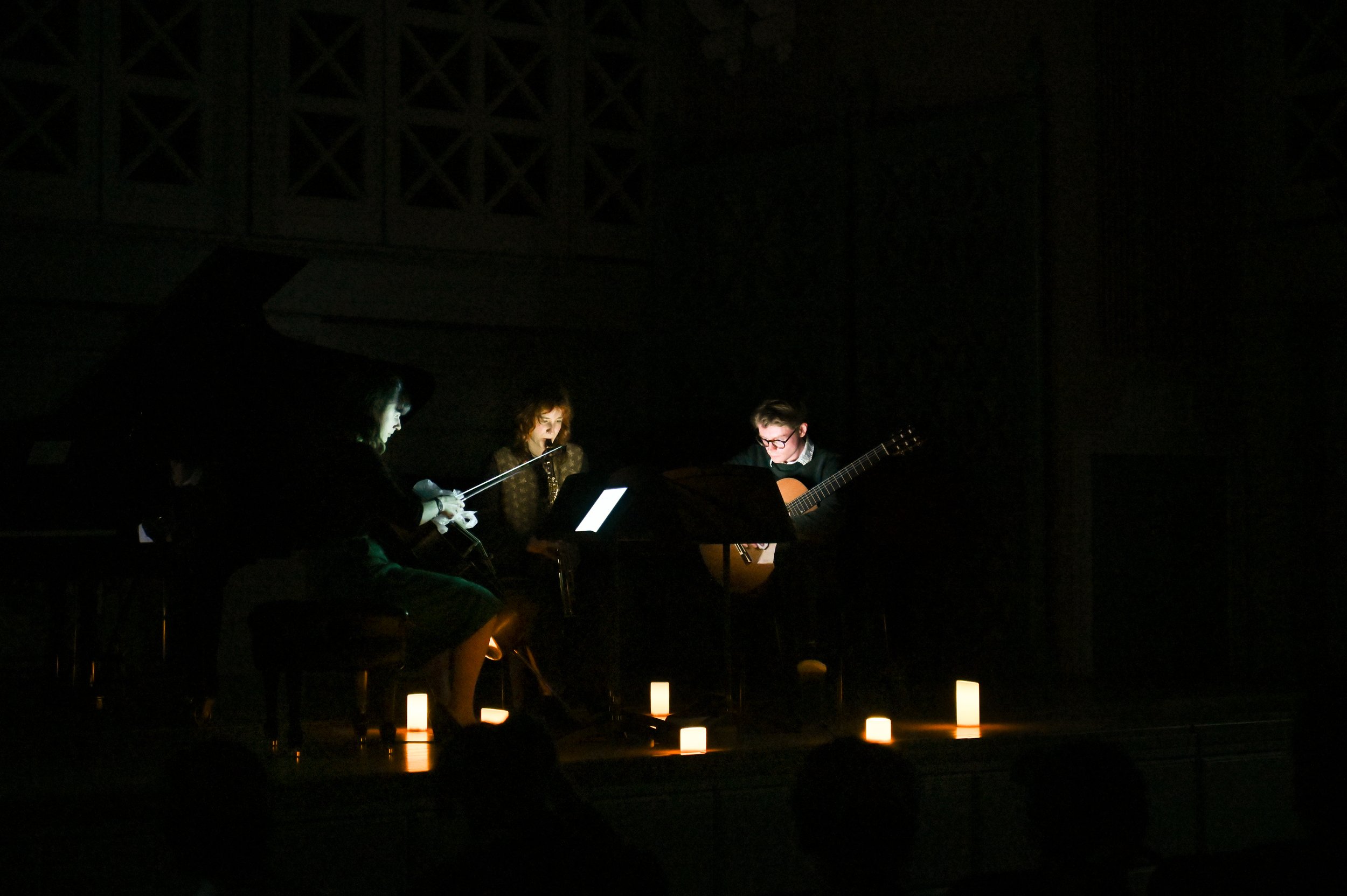
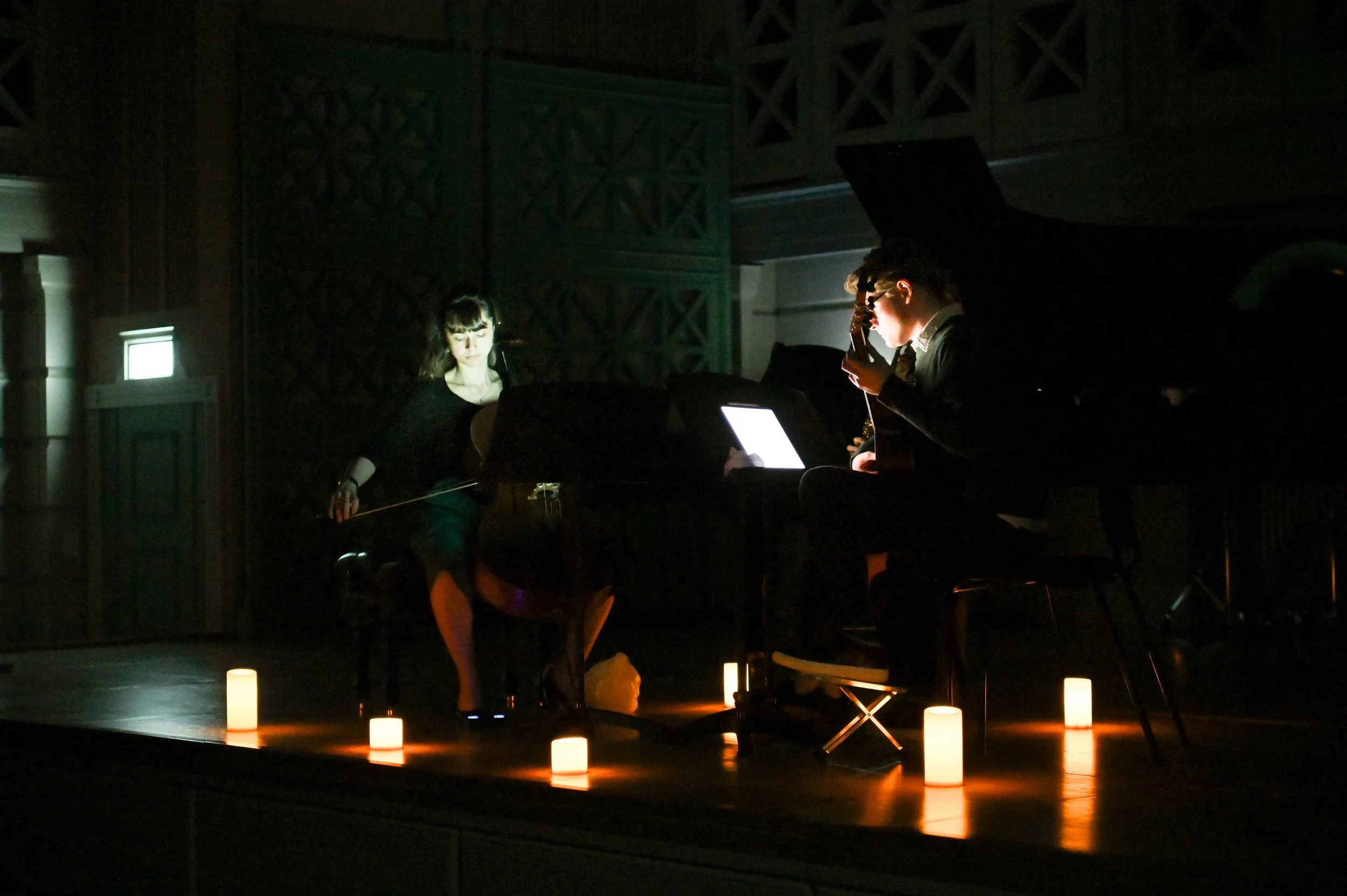
Premiered (in fixed media format) at the re:natura Experimontag Series, Madame Claude, Berlin (24/11, 2025)
Composer & Text/Lyrics
Deniz Dortok
Soprano Saxophone/Voice
Lydia Cochrane
Guitar
Oliver Manning
Cello
Aline Christ
Electronics
Sofia Zaiceva
Recording Engineer
Stephen Harrington
Assistant Recording Engineer
Joel Allison
Recording and Editing Assistant
Pierre Catherine-Buffet
Mixing
Thomas Shorthouse and Deniz Dortok
Mastering
Jannis Wolff
Art Direction, Cover Art
Olga Veer
Concept, Artistic Direction & Management
Hendrik Klatte
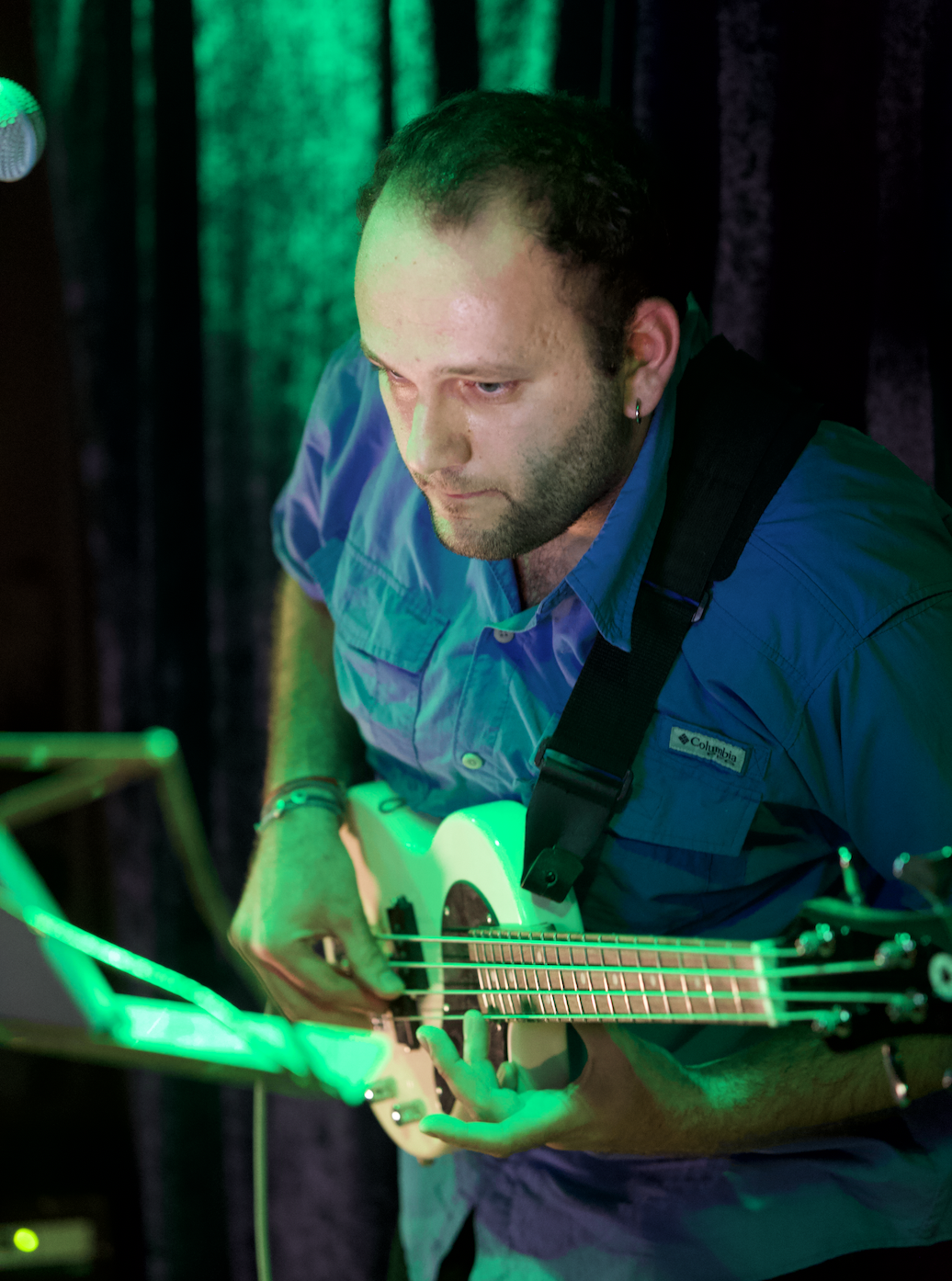
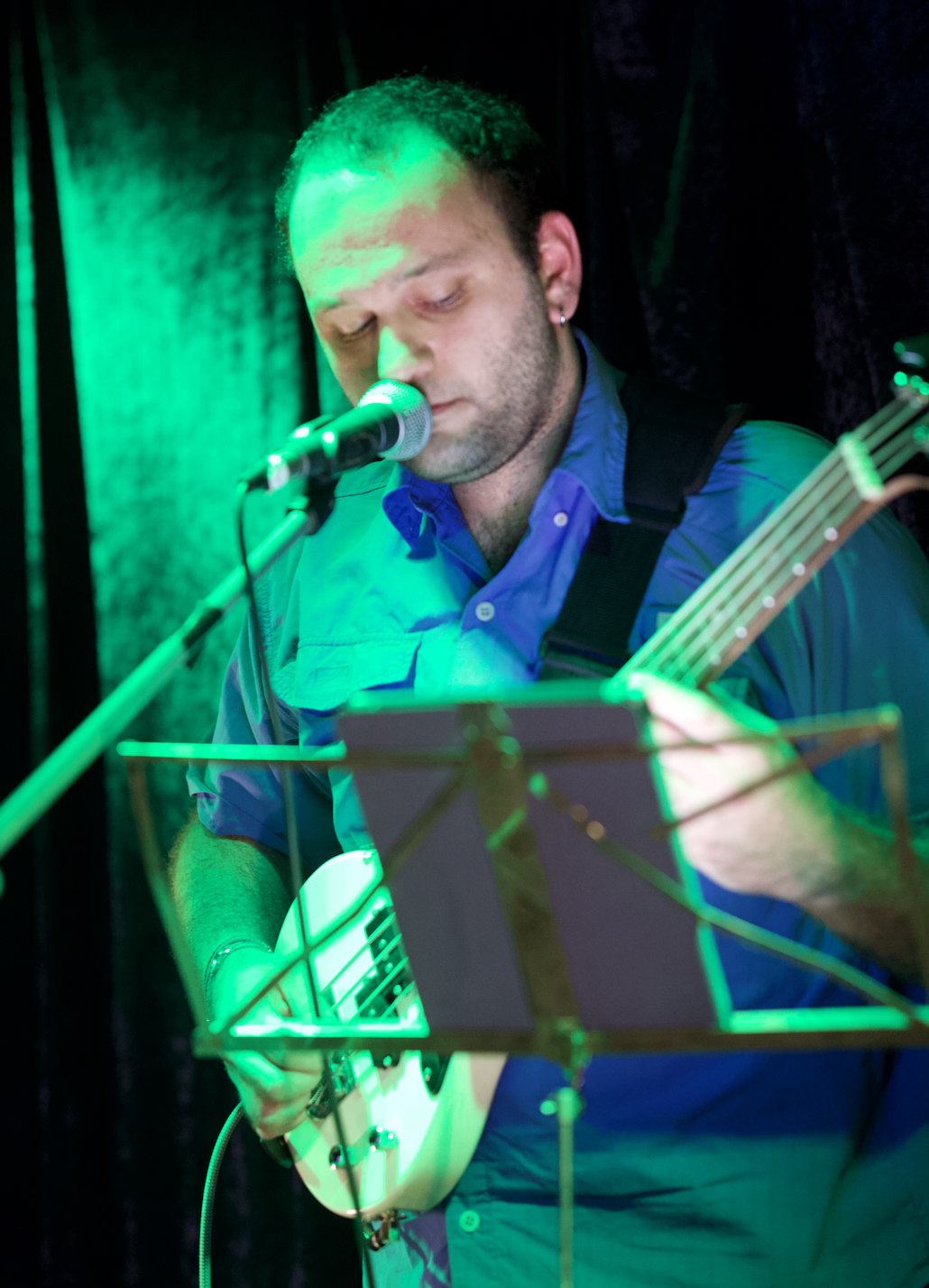
Photos from Premiere
Jannis Le Wolff
Photos from 2024 Performance of ‘Nocturne XI’
Chris Christodoulou
nocturna is inspired by Johan Eklöf’s book Darkness Manifesto, which examines the detrimental effects of artificial lighting on the night-time ecosphere. Air and noise pollution have been studied extensively, whereas awareness around light pollution has been growing more gradually in recent years. The broader ecological and artistic impacts are still coming into focus, and with this in mind I approached the album as an attempt to sonically trace and embrace the quiet ecologies conceived in hours of darkness.
‘Intriguing release full of sonic puzzles and weavings. Good topic too — light pollution is a bigger problem than most realise.’ - Listener review via Bandcamp
Commissioned by the ensemble ‘Music of One’, with the generous support of the Foundation for the Sorbian People in Germany. Part of a series of concerts across Germany with the ensemble ‘Music of One’.
Performers
Ramon Jaffé (Vcl.) & Heidemarie Wiesner (Pf.)
Presenter
Gregor Kliem
Subsequent performance by Ezra Escobar (Vcl.) & Ilayda Deniz Oğuz (Pf.),
RCM Performance Studio (27/03, 2025)
MOTORIK AUTOMAT MECHANIK (2025) | for Cello and Piano (c. 5’)
Premiered at the C. Bechstein Centrum, Dresden (03/01, 2025)
Programme Notes
MOTORIK AUTOMAT MECHANIK explores the interplay between rhythmic movement, automated systems, and mechanical precision. Drawing on the pulsating, repetitive energy of krautrock and industrial rock, the piece amplifies the tension between mechanical drive and human expression through sharp dynamics, granulated textures, and sudden ‘gear shifts’ in its musical flow. Influenced by Neu!, Can, and Einstürzende Neubauten, it channels their distinctive rhythmic force and machine-like soundscapes, filtered through a contemporary lens.
The title unfolds across three conceptual layers: Motorik evokes relentless rhythmic propulsion; Automat suggests systems of automation and internal logic; and Mechanik speaks to structure and motion, grounding the piece in physical and musical mechanics. A range of notational approaches - spatial, proportional, improvisational, and graphic - reinforce the interplay between precision and freedom. The cello and piano are transformed into both machines and agents of expression, navigating the delicate boundary between control and instability, human input and mechanical flow.
Performer
Enno Senft (Cb.)
Facilitator
Edwin Hillier
Zip it! (2025) | for solo Double Bass (c. 3’)
Recorded at the RCM, written for Enno Senft (03/02, 2025)
Programe Notes
In Zip It!, the double bass becomes both a partner and an antagonist in a theatrical exploration of control, frustration, and resolution. Drawing from the performative spirit of Patrick Suskind’s play The Double Bass and the manic energy of Jacob Druckman’s piece Valentine, the music oscillates between manic exertion and moments of quiet intimacy. One way to look at the music is a simple, almost facile allegory capturing the comedic ineffectuality of trying to wrestle with something unwieldy, like manoeuvring or coaxing a bass into its large, coffin-shaped case - a task both exasperating and inherently humorous!
Babel (2022) | for Fixed Media Electronics (7’26’’)
Premiered at the Cosmo Rodewald Concert Hall, Manchester RCM (13/05, 2022)
Languages Recorded
Mikey Cottom & Eva Black (English), Rhiannon Morgan (Welsh), Guillaume Dujat (French),
Helena Atkin (Estonian), Abigel Vizi (Hungarian), Deniz Dortok (Turkish), Yuqing Liu
(Mandarin) & Rutik Joshi (Gujarati & Sanskrit)
Record Label
Petrichor Records
Programe Notes
Babel is a fixed media electroacoustic piece inspired by the biblical story of Babel which explains the multiplicity of languages in the world. According to the myth, in early Mesopotamia in the land of Shinar, humans begin an ambitious project by building a city with its tower reaching high up into the heavens. God offended by this overzealous and blasphemous act, punishes them by giving each floor a separate language. Their inability to communicate with one another causes them to become divided and dispersed across the earth and furthermore becomes the source of all of mankind’s conflicts. My piece, in that respect, attempts to illustrate and comment upon the chaos that ensues before and after the breakdown of cross-cultural communication with language being the focal point of the conflict.
I was very drawn to the idea of using the human voice as my only sound source for this composition. With the story of Babel in the back of my mind, I decided to record different languages from an arbitrary selection of linguistic groups and further explore their contrasting phonetic qualities through micro-editing, granular synthesis, layering and juxtaposition.
Received critical recognition at the 2023 International Petrichor Music Competition.